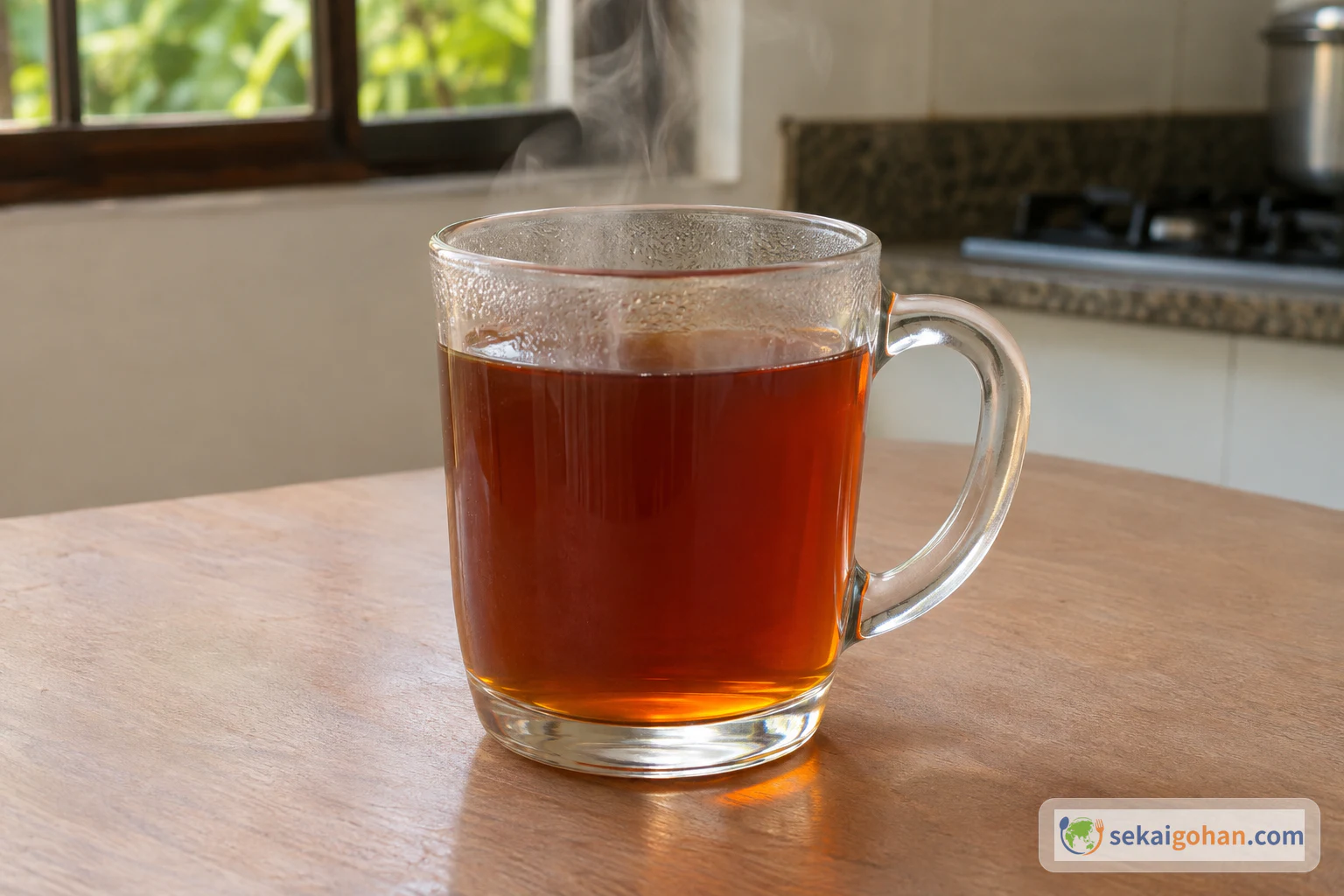
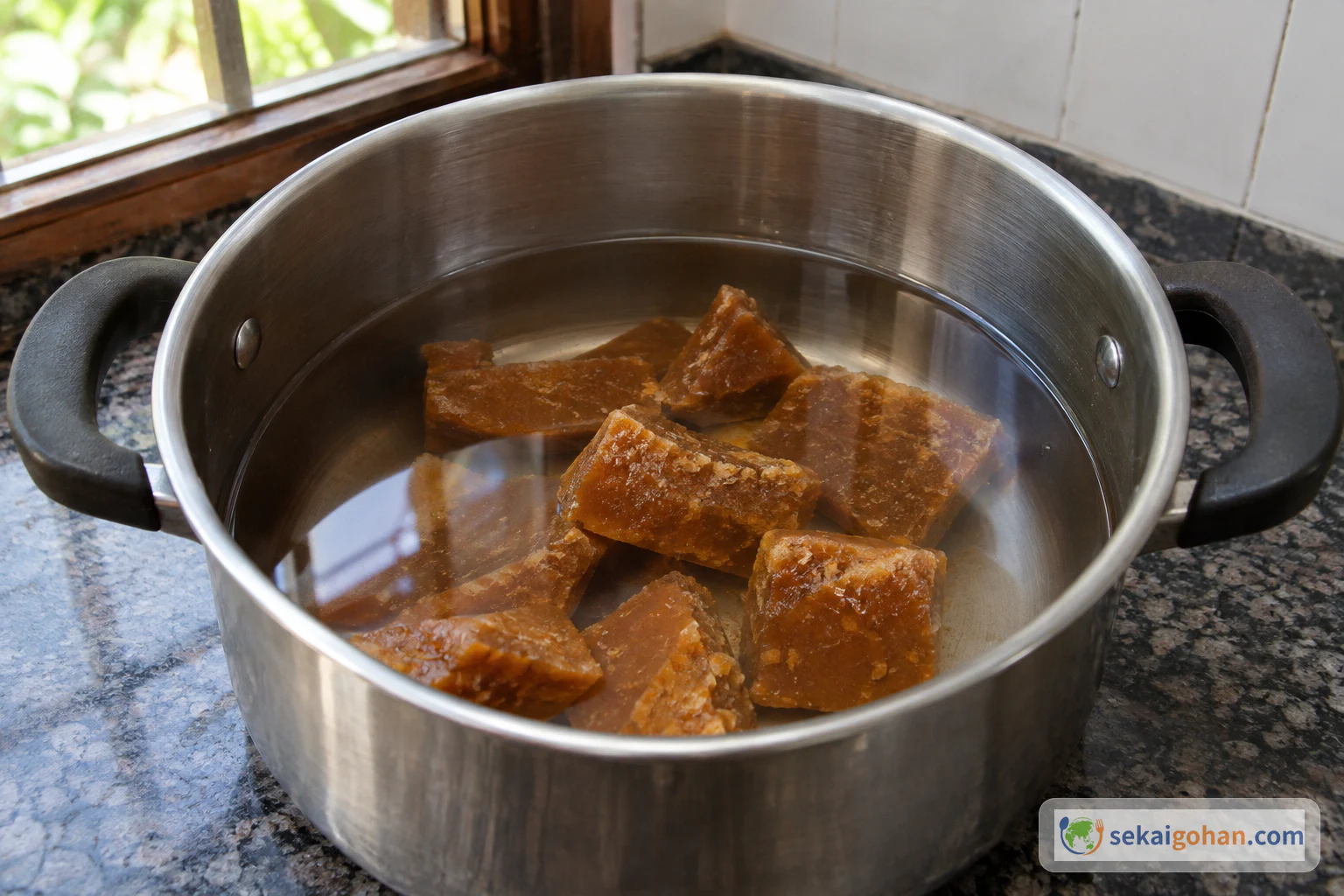
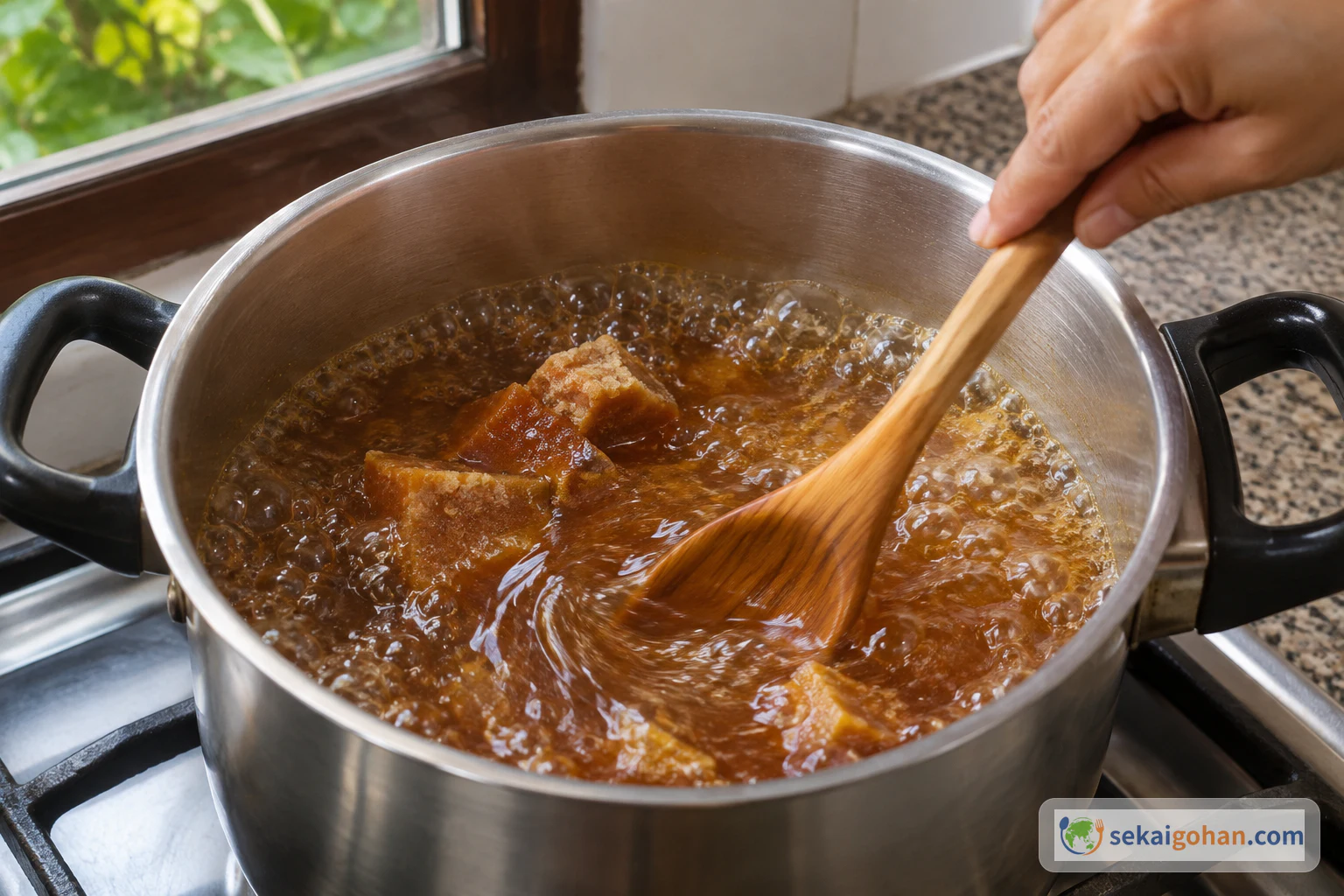
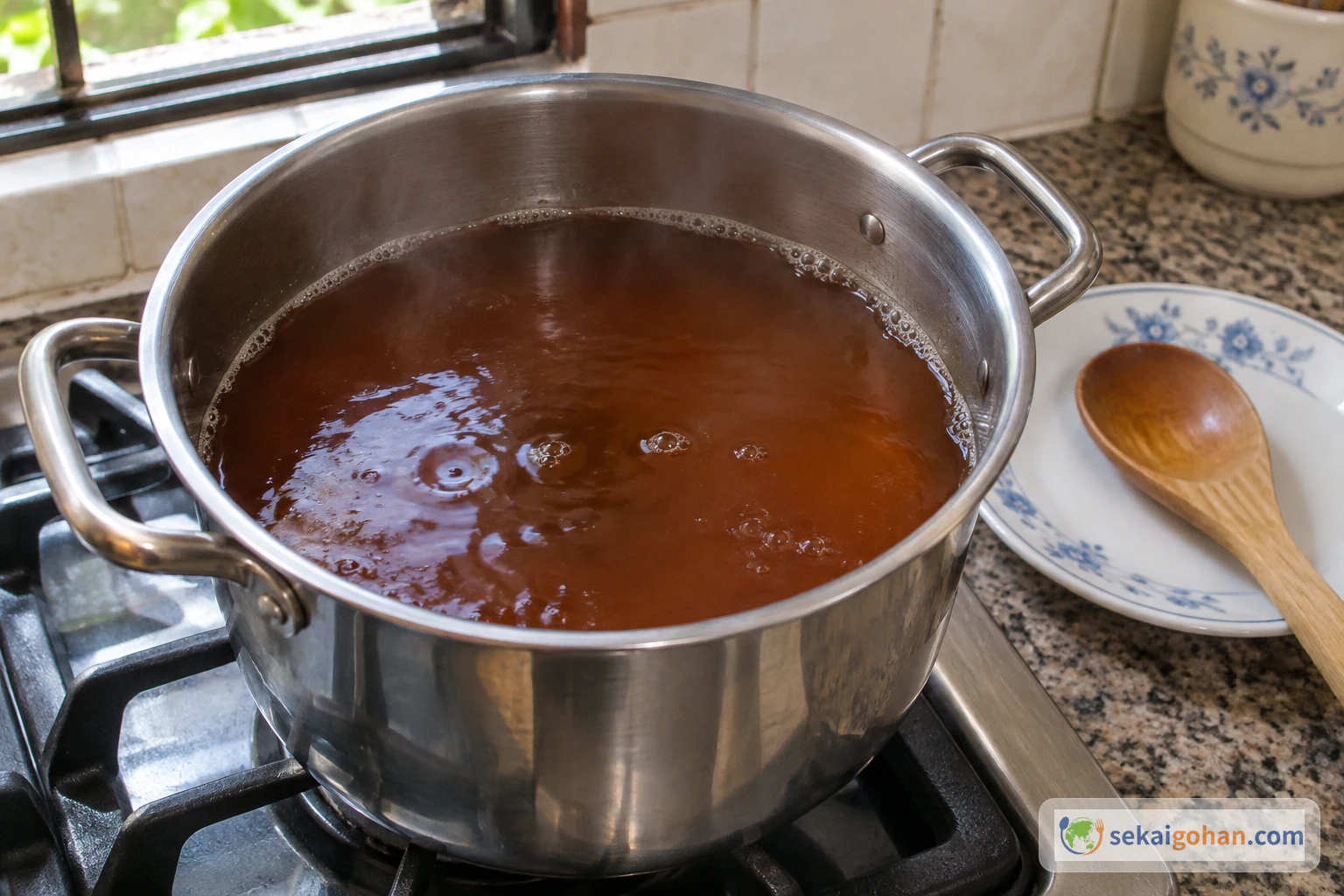
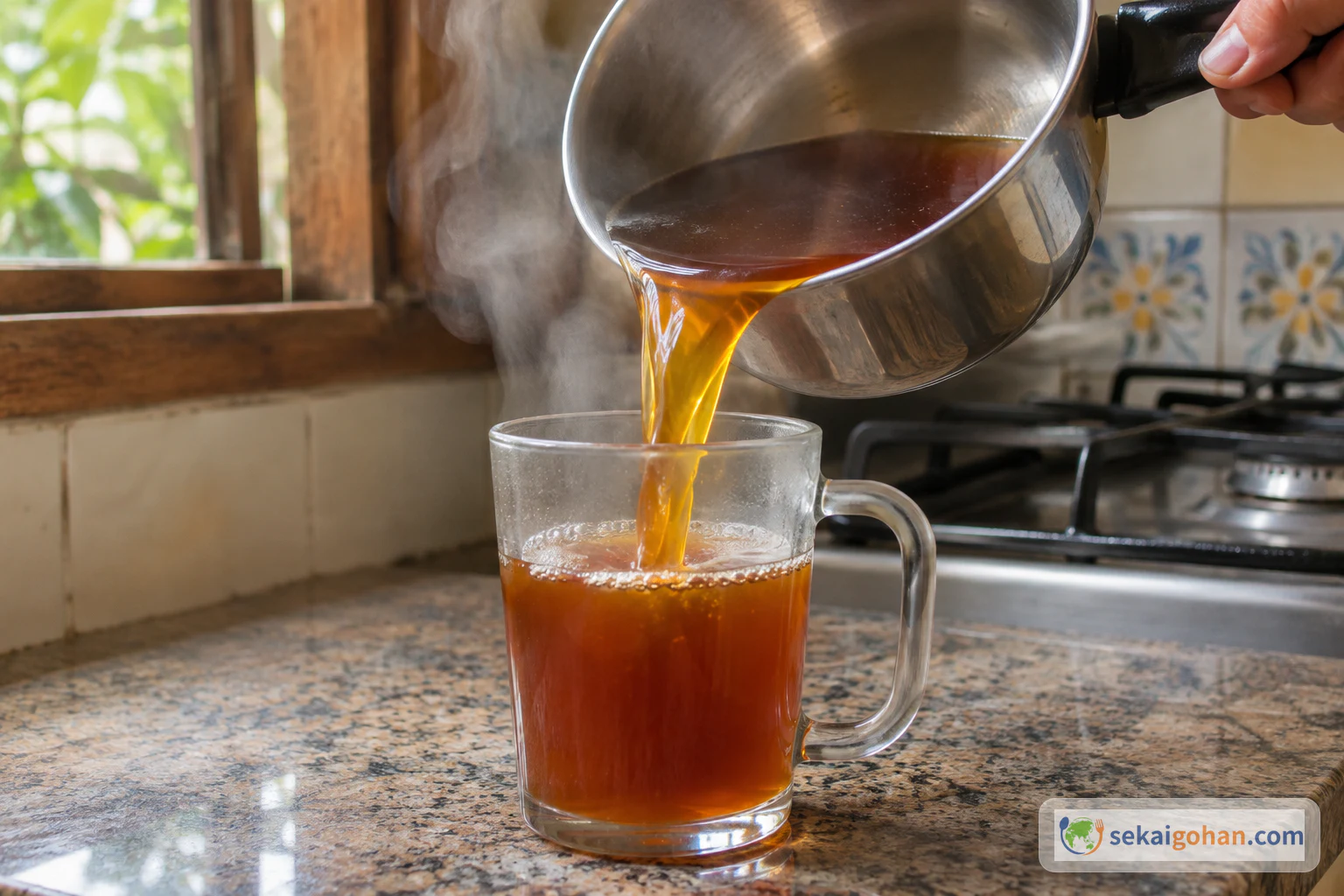
Pieces of dark brown panela sit at the bottom of a pot of cold water. As the heat rises, their edges soften and bleed amber into the water until the whole pot is the color of strong tea. The steam smells of cooked cane, and that pot is aguapanela, "panela water." Colombians pour it before school and before work, hot on a cool morning or over ice on a hot afternoon. Panela is sugarcane juice set into a solid block, so the drink tastes of the cane itself, deeper and rounder than white sugar dissolved in water.
A Glass Poured Before School and Work
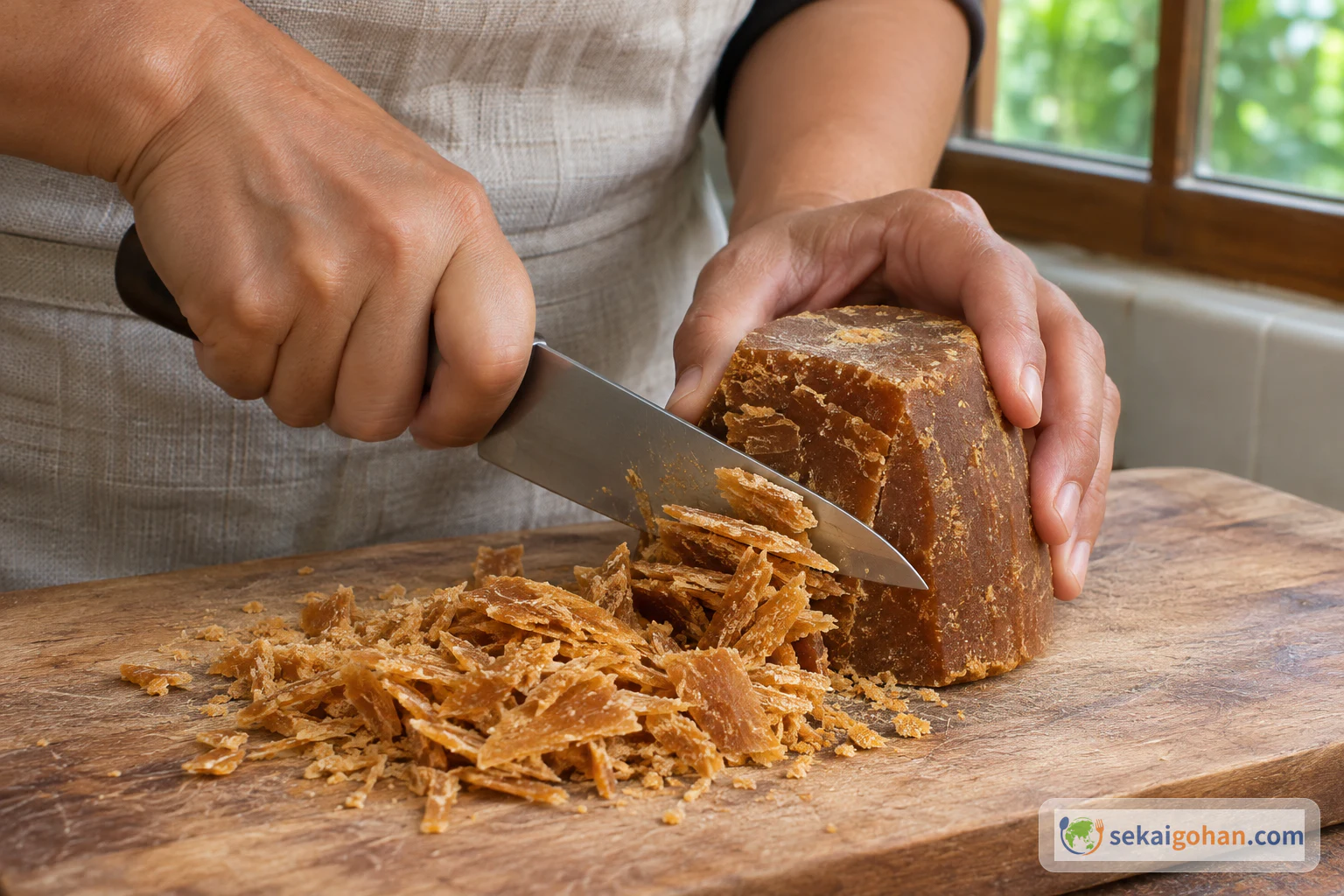
In Colombia, aguapanela is close to a staple. People drink it hot or cold, and it is very often the thing that goes down before someone leaves for class or the job. The numbers behind it are large. As of 2017, one Colombian went through 42 to 49 lb (19 to 22 kg) of panela a year, and the coffee-growing region, the Eje Cafetero, drinks the most. About 80 percent of that panela is sold as solid blocks, which is why the first job in any kitchen is breaking one down.
The drink is common across the Andean region and goes by agua de panela and agüepanela as well. It was once a workers' drink, the cheap, sweet, warm thing that got a day started. It now also appears on the menus of upscale cafés. At home it does more than one job. It is drunk plain, sharpened with lime, softened with milk or a chunk of cheese, and used as the base for coffee or cocoa. It belongs to the same everyday table as the rest of Colombian cooking. If you like the dense, sweet pull of bocadillo, the guava paste, you will recognize the same taste for strong, unfussy sweetness here.
Panela goes by other names outside Colombia: papelón in Central America, piloncillo in Mexico, and chancaca in Ecuador, Peru, Bolivia and Chile. Searching for any of these names helps when you shop abroad.
Ingredients (serves 4)
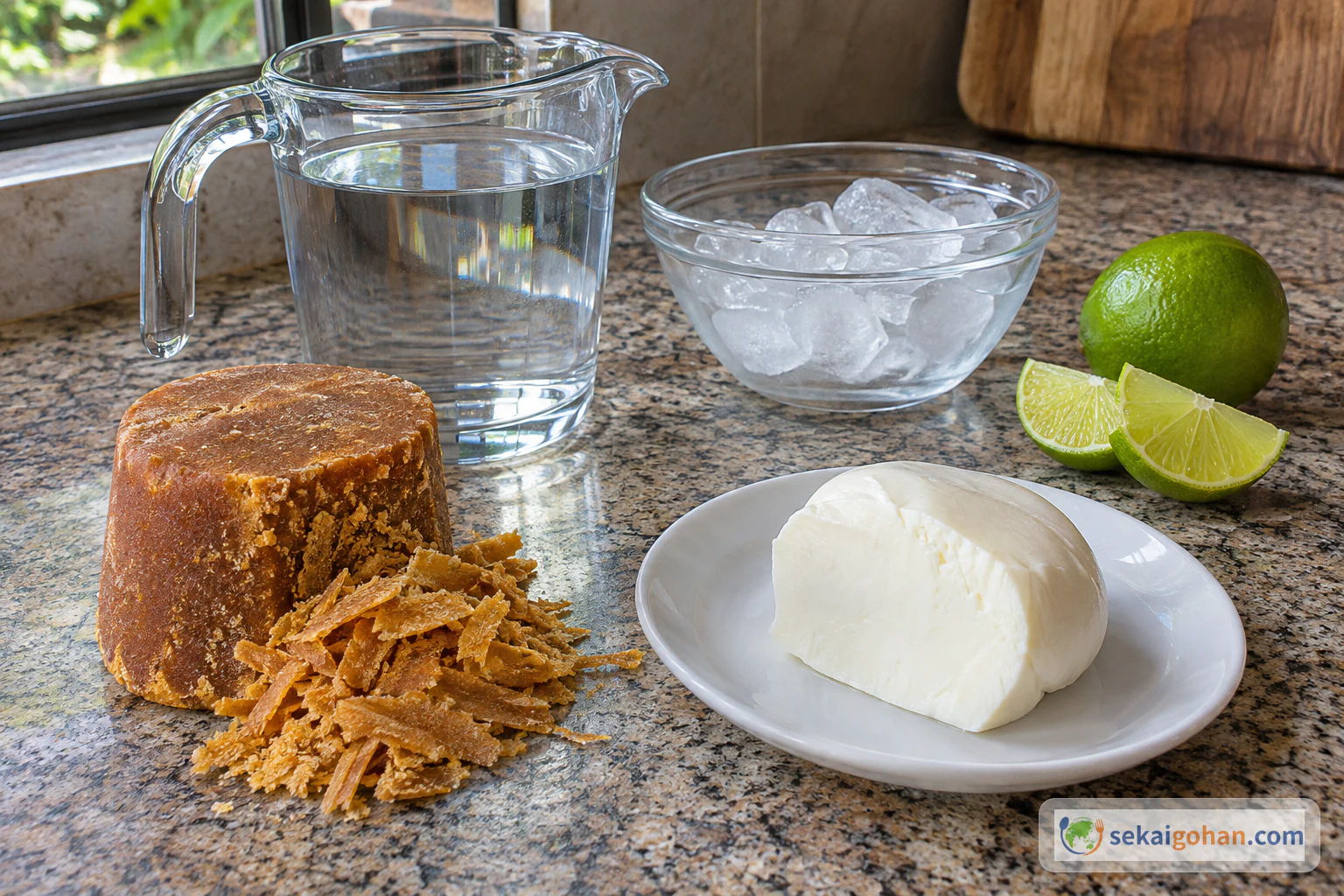
There are two ingredients and an optional third. The panela decides everything, so start from a whole block if you can find one.
Chunks and shavings never fill a cup the same way twice. Weighing out 1 lb (454 g) of panela gives you the same strength every time you make it, and you can still adjust with water at the end.
Plain aguapanela is only panela and water. The cheese and milk versions below contain milk.
Equipment
- Medium saucepan with room above the liquid
- Sharp knife or sturdy grater, and a cutting board
- Wooden spoon
- Ladle
- Mugs for hot servings, tall glasses for iced
- Fine-mesh strainer (for the ginger and cinnamon version)
Choosing Panela and What to Use Instead
Look for panela at Latin American grocers or online. Piloncillo from a Mexican grocery is the same kind of sugar under another name, and it often comes as small cones that are easy to break. Read the label and buy a product that is only cane.
Brown sugar or honey will make a sweet drink, but strictly speaking the result is no longer aguapanela. Each swap changes the cup in its own way:
| Swap | What changes |
|---|---|
| Unrefined dark cane sugar, such as Okinawan kokuto | Closest in spirit. The mineral taste and aroma come through more strongly than with panela |
| Light, fine-grained cane sugar | Dissolves fast, but the taste turns light and loses the depth of cooked cane |
| Brown sugar or honey | Sweet and pleasant, but a different drink |
| Lemon in place of lime | Works well and still tightens the sweetness |
For the cheese version, use queso blanco. Mozzarella is the easiest stand-in and melts softly into the hot drink.
Method: One Pot, One Color Change
Break the panela first, because everything after that happens in the pot. Most of the 20 minutes is hands-off simmering, with a stir now and then. If you want it iced, leave time for the pot to cool before serving.
A panela block is hard and slippery. Shave away from your hand, with the block flat on the board. Hot sugar syrup can scald and foams up at a full boil, so keep the pot handle turned in and stay near the stove until you have turned the heat down.
Squeezing lime into each glass at the end keeps its bright edge, and everyone can choose how sharp they want it. The pot stays plain, ready to go hot, cold, with cheese or into coffee.
When It Goes Wrong
| What you see | Why | What to do |
|---|---|---|
| Panela pieces still on the bottom after 20 minutes | Pieces too large, or not stirred | Keep simmering on low and scrape the bottom until the panela has fully dissolved |
| Foam rushing up the sides | Sugar water at a full boil, or the pot is too small | Lower the heat as soon as it boils, and use a pot with more headroom next time |
| Heavy, cloying sweetness | Strong ratio for your taste | Stir in water a little at a time until it drinks easily |
| Tastes like plain sugar water | A light, refined sugar took the place of panela | Use real panela or a dark unrefined cane sugar, and add lime |
Serving and Variations
At the table
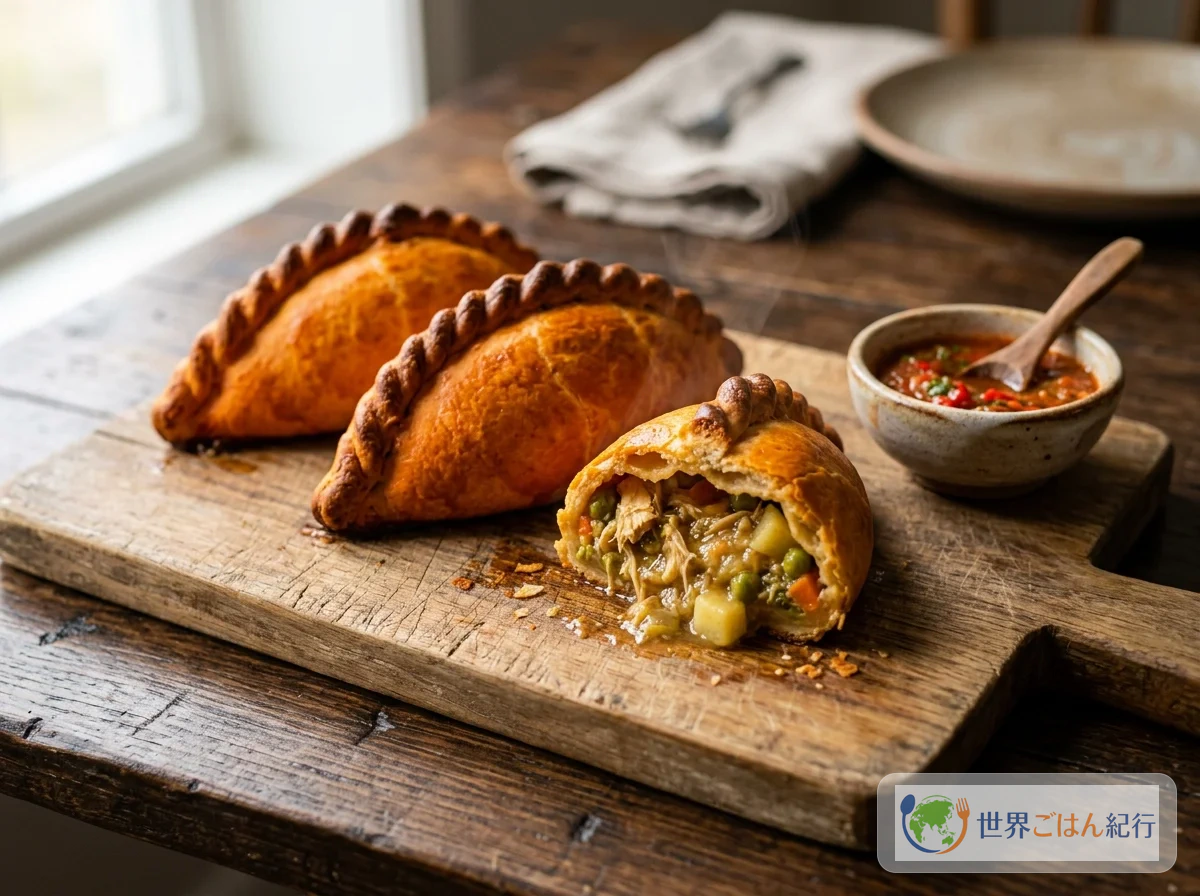
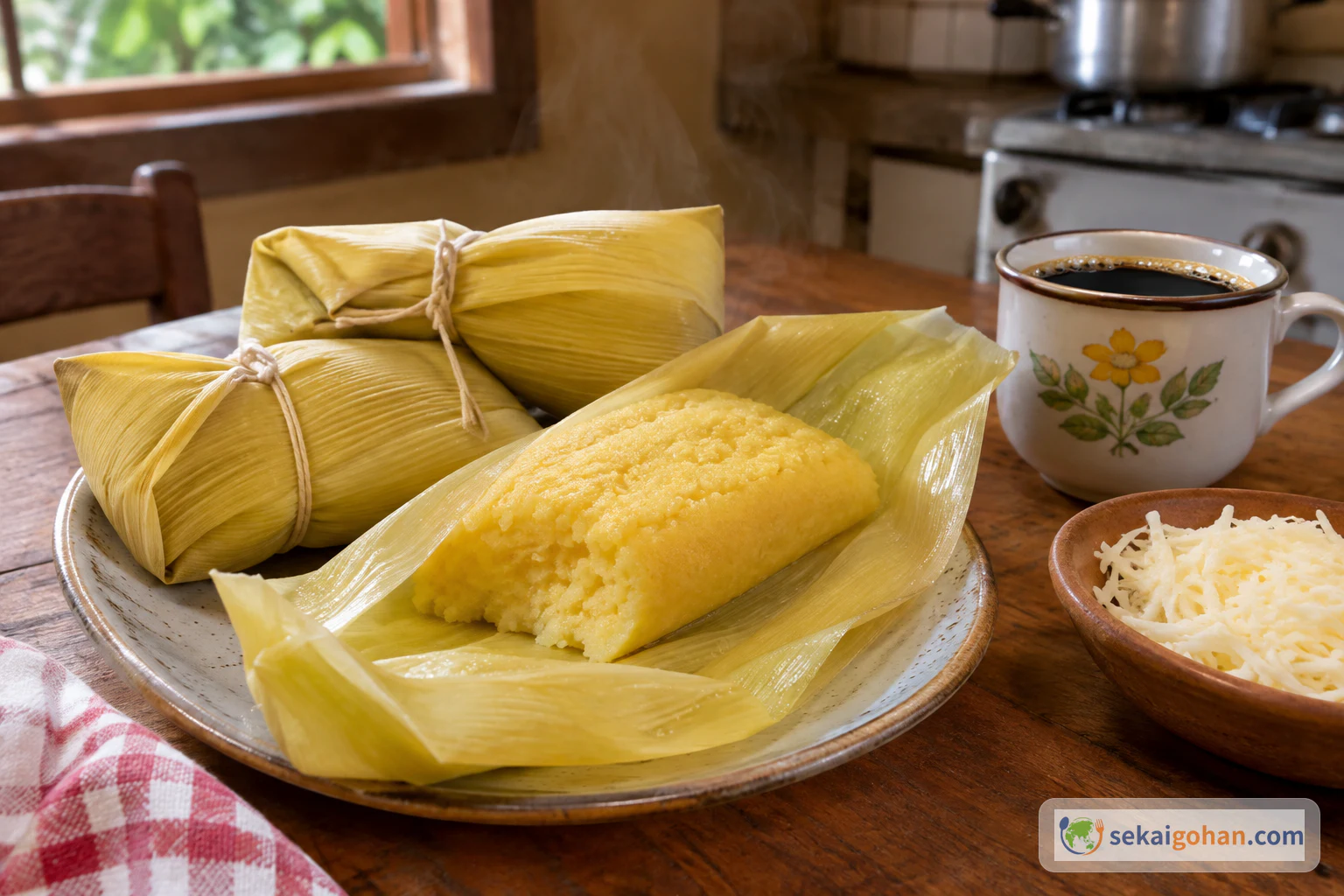
Aguapanela is a morning drink and an everyday one. Pour it next to cheese-filled arepas or empanadas, and the sweet cup meets the salty, starchy plate the way coffee and toast do elsewhere. The plain drink keeps the pot open for all the versions below.
Iced with lime
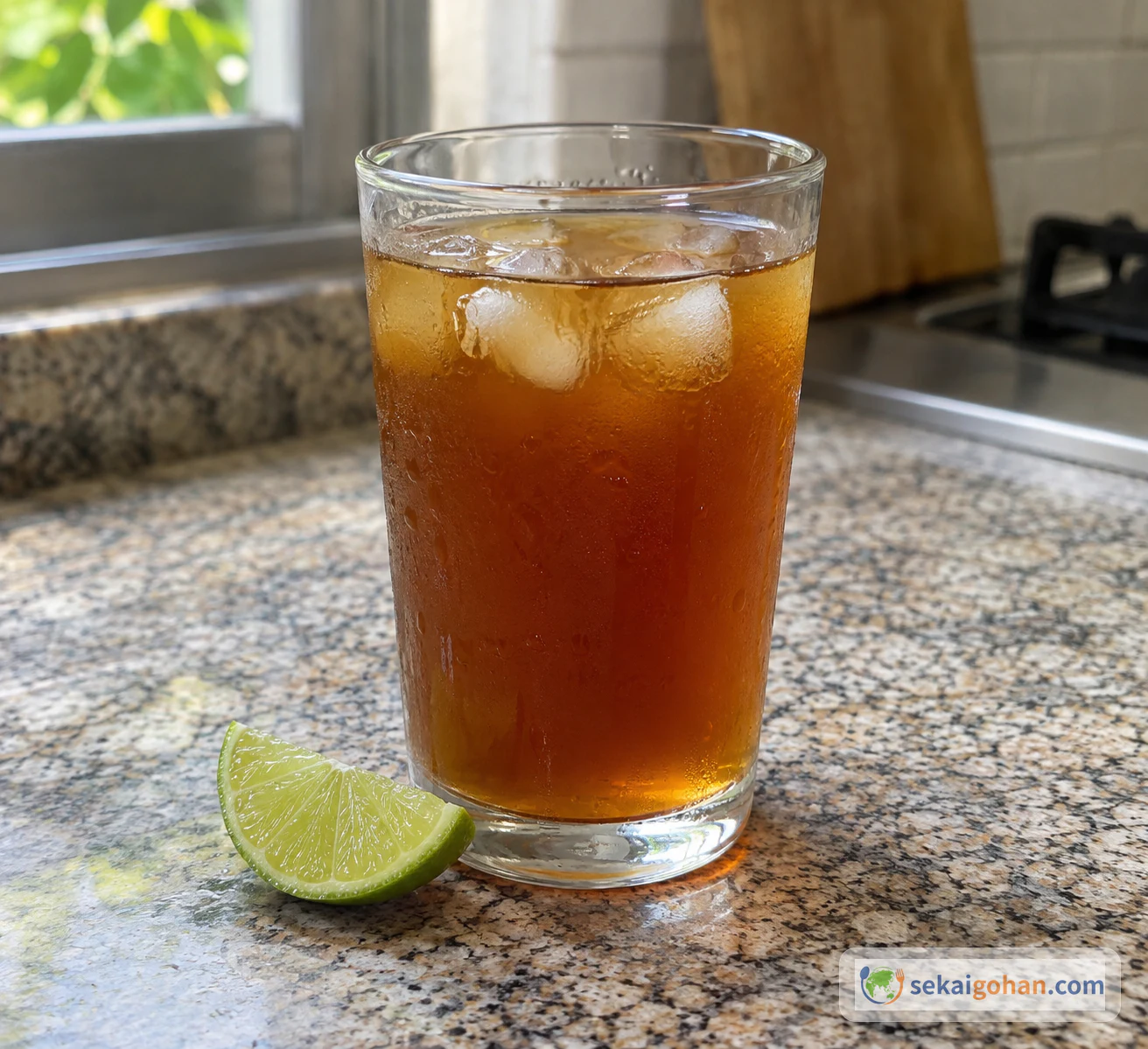
Cold aguapanela with lime is the summer version. The sourness cuts the depth of the cane, so the glass tastes lighter and more refreshing than the plain drink. Lemon does the same job.
Hot with cheese or milk
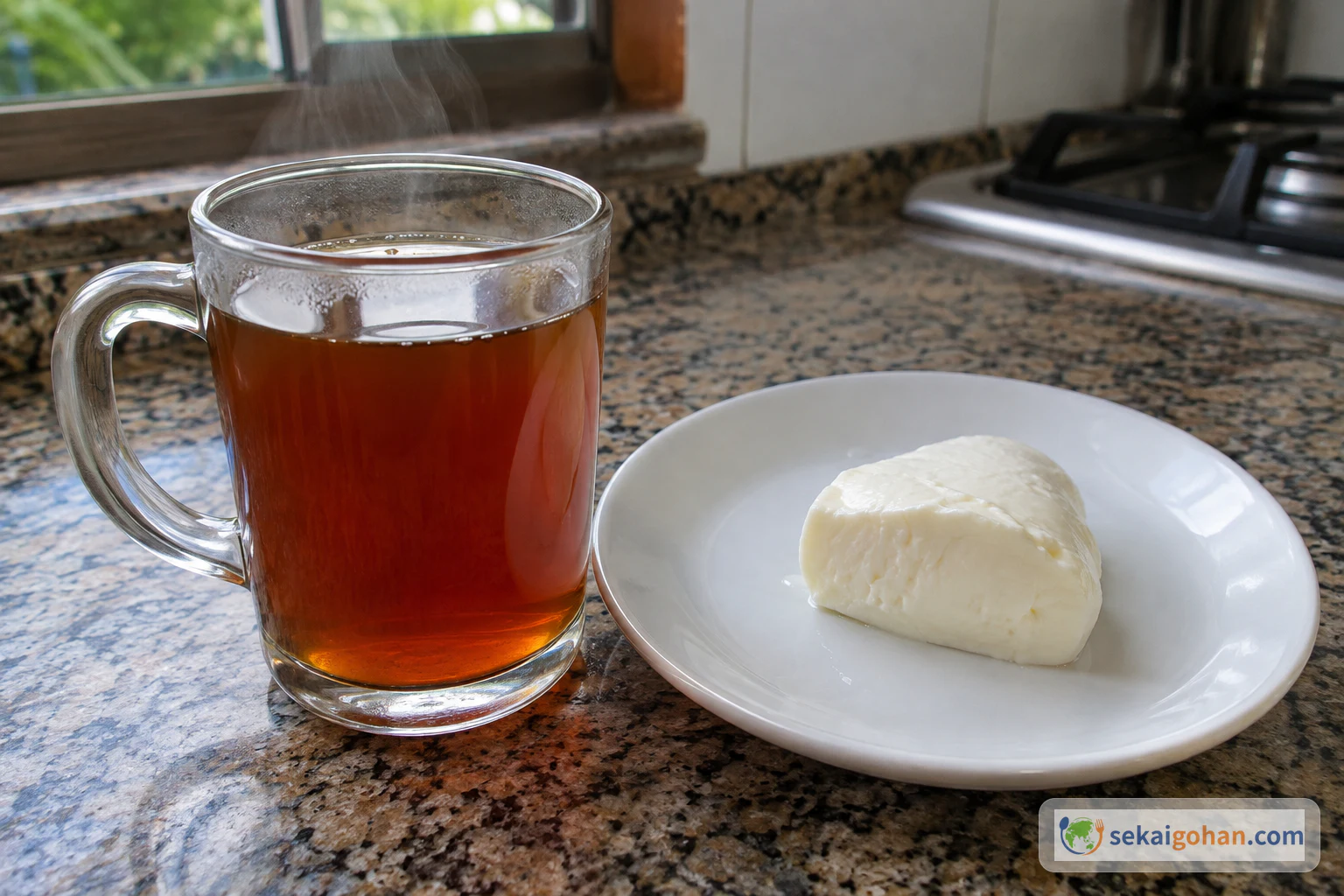
Drop a chunk of queso blanco or mozzarella into a hot mug. It softens and turns stringy, and you fish it out with a spoon between sips, salty against sweet. Some households pour in milk instead, which rounds the drink into something gentler and creamier.
With ginger and cinnamon
This is a separate pot with its own ratio, so make it apart from the main recipe. Combine 1 cup panela with 4 cups water, 1 cinnamon stick and 1 tbsp grated ginger. Simmer for 5 minutes, then strain through a fine-mesh strainer. Ginger brings heat to the back of the throat and cinnamon brings warmth. Strained and cooled, this version keeps in the refrigerator for 4 to 5 days.
Frequently Asked Questions
Does hot aguapanela with lime help with a cold?
Many Colombians drink it hot with lime when they have a cold, and it is a comforting thing to hold. That is custom, and the popular health claims about it have no solid evidence behind them. What is in the cup is mostly sugar. If you have diabetes or another health condition, ask your doctor before making it a daily habit.
Is there an alcoholic version?
Yes. Canelazo is a separate drink made with cinnamon and aguardiente, the anise-flavored cane spirit, and it is served to adults. Some cooks also add aguardiente to the ginger and cinnamon version for an adults-only glass.
Can I use it for coffee or cocoa?
Yes. Brew coffee with aguapanela in place of the water and sugar, so the cane sweetness is already in the cup. It works the same way as a base for hot cocoa.